


Hey there! As a supplier of CARB Roller Bearings, I often get asked a ton of questions, and one that pops up quite a bit is, "Are CARB Roller Bearings compatible with different shaft materials?" Well, let's dive right into it and find out.
First off, let's talk a bit about what CARB Roller Bearings are. CARB, which stands for "Combined Adjusting Roller Bearing," is a type of self - aligning roller bearing. These bearings are super cool because they can handle misalignment, axial displacement, and radial loads all at once. They're used in a wide range of applications, from industrial machinery to automotive systems.
Now, when it comes to shaft materials, there are several common ones out there. We've got steel, stainless steel, aluminum, and even some exotic materials like titanium in some high - end applications. Each material has its own set of properties, and these properties can have an impact on how well the CARB Roller Bearings work.
Let's start with steel shafts. Steel is by far the most common shaft material used with CARB Roller Bearings. It's strong, durable, and has good machinability. Most CARB Roller Bearings are designed to work seamlessly with steel shafts. The surface hardness and roughness of a steel shaft can be easily controlled during the manufacturing process, which is crucial for proper bearing fit and performance.
For example, a well - machined steel shaft with the right surface finish will ensure that the rollers in the CARB bearing can roll smoothly. If the shaft is too rough, it can cause premature wear on the rollers, leading to a shorter bearing lifespan. On the other hand, if it's too smooth, there might not be enough friction to keep the bearing in place, which can result in slippage.
When it comes to specific models, the C 4032 K30 C4 CARB Toroidal Roller Bearings are often used with steel shafts in heavy - duty industrial applications. These bearings are designed to handle large radial loads, and when paired with a steel shaft, they can provide long - term reliable performance.
Next up is stainless steel. Stainless steel shafts are popular in applications where corrosion resistance is a must. They're often used in food processing, marine, and chemical industries. The good news is that CARB Roller Bearings are also compatible with stainless steel shafts. However, there are a few things to keep in mind.
Stainless steel has a different coefficient of thermal expansion compared to regular steel. This means that in applications where there are significant temperature changes, the fit between the bearing and the shaft might be affected. For instance, if the temperature rises, the stainless steel shaft might expand more than a regular steel shaft, which could potentially lead to a tighter fit. In some cases, this might cause the bearing to overheat or even seize.
The C2218K C3 - CARB Toroidal Roller Bearings can be a great choice for use with stainless steel shafts in less extreme temperature environments. These bearings are designed to have a bit more flexibility, which can help compensate for any minor changes in the fit due to thermal expansion.
Aluminum shafts are another option. Aluminum is lightweight and has good corrosion resistance. It's commonly used in applications where weight is a critical factor, such as in aerospace and some automotive components. However, aluminum is a softer material compared to steel. This means that it can be more prone to deformation under load.
When using CARB Roller Bearings with aluminum shafts, it's important to make sure that the shaft is properly supported and that the loads are within the bearing's capacity. If the loads are too high, the aluminum shaft might deform, which can lead to uneven loading on the bearing and premature failure.
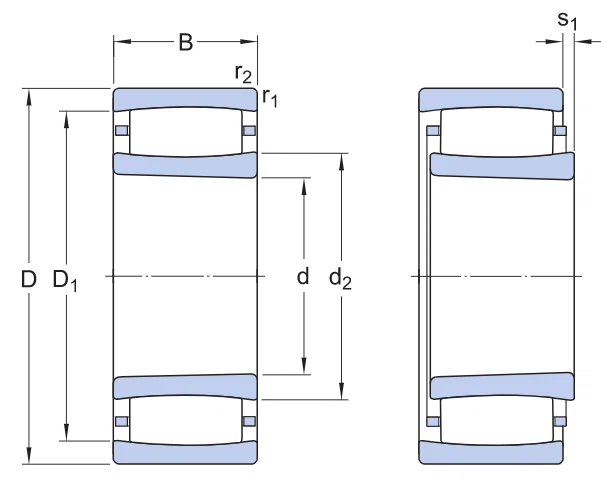
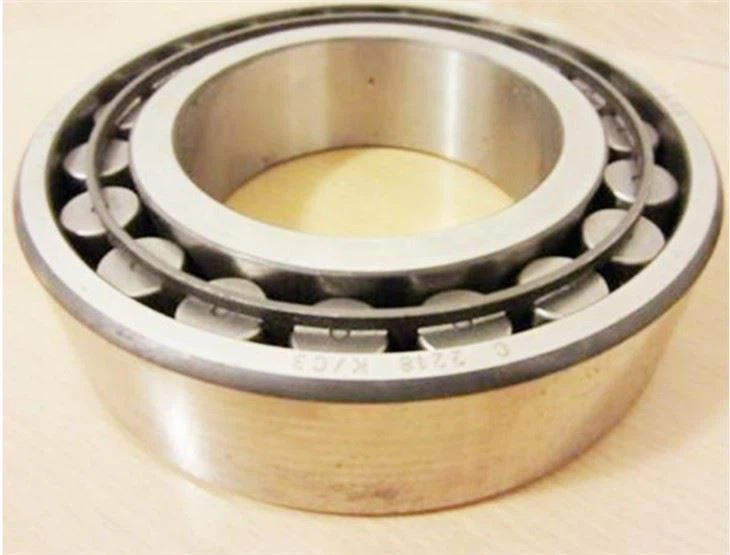
The C 5915 - 2CS5V/GEM9 CARB Toroidal Roller Bearing 7510540mm can be used with aluminum shafts in applications where the loads are relatively light. These bearings are designed to provide good radial and axial support while being able to handle some degree of misalignment.
Now, what about those exotic materials like titanium? Titanium is strong, lightweight, and has excellent corrosion resistance. However, it's also very expensive and difficult to machine. While CARB Roller Bearings can technically be used with titanium shafts, it's not as common due to the high cost and the specialized manufacturing processes required.
In general, when choosing a shaft material for use with CARB Roller Bearings, you need to consider several factors. These include the load requirements, the operating environment (temperature, humidity, presence of corrosive substances), and the cost. It's also a good idea to consult with a bearing expert or an engineer to make sure that you're making the right choice.
If you're in the market for CARB Roller Bearings and have questions about shaft compatibility or any other aspect of these bearings, don't hesitate to reach out. We're here to help you find the perfect bearing solution for your application. Whether you're working on a small - scale project or a large - scale industrial operation, we've got the expertise and the products to meet your needs.
In conclusion, CARB Roller Bearings are generally compatible with a wide range of shaft materials, but each material has its own unique considerations. By understanding these considerations and making the right choices, you can ensure that your bearings perform at their best and last for a long time.
References:
- "Rolling Bearing Technology" by SKF
- "Bearing Engineering Handbook" by Timken


