


Torque specifications play a crucial role in the installation of clutch bearings. As a reliable clutch bearings supplier, I understand the significance of getting these specifications right to ensure optimal performance and longevity of the clutch system. In this blog post, I'll delve into the key aspects of torque specifications for clutch bearing installation.
Understanding Torque in Clutch Bearing Installation
Torque is the rotational force applied to a fastener, such as a bolt or a nut, during the installation process. In the context of clutch bearing installation, the correct torque is essential for several reasons. Firstly, it ensures that the bearing is securely fastened in place, preventing any unwanted movement or vibration that could lead to premature wear or failure. Secondly, proper torque helps to distribute the load evenly across the bearing and the surrounding components, reducing stress concentrations and improving overall system reliability.
Factors Affecting Torque Specifications
Several factors can influence the appropriate torque specifications for clutch bearing installation. One of the most important factors is the type of bearing. Different types of clutch bearings, such as ball bearings, roller bearings, and needle bearings, have different load - carrying capacities and design characteristics, which require specific torque values for proper installation.
For example, F - 113473 Bearings are designed with a particular internal structure that demands a precise torque during installation to maintain their performance. These bearings are often used in high - performance clutch systems where accurate torque application is critical for smooth operation.
The material of the fasteners also matters. Fasteners made of different materials, like steel, aluminum, or titanium, have different mechanical properties. Steel fasteners are generally stronger and can withstand higher torque values compared to aluminum ones. Therefore, the torque specifications need to be adjusted according to the material of the fasteners used in the clutch bearing installation.
The surface finish of the mating parts is another factor. A smooth surface finish allows for more consistent torque application and better seating of the bearing. If the surface is rough or has debris, it can affect the friction between the fastener and the mating part, leading to inaccurate torque readings and potentially improper installation.
Determining the Correct Torque Specifications
To determine the correct torque specifications for clutch bearing installation, it is best to refer to the manufacturer's guidelines. Most bearing manufacturers provide detailed installation instructions that include the recommended torque values for their products. These guidelines are based on extensive testing and engineering analysis to ensure that the bearings perform optimally under various operating conditions.
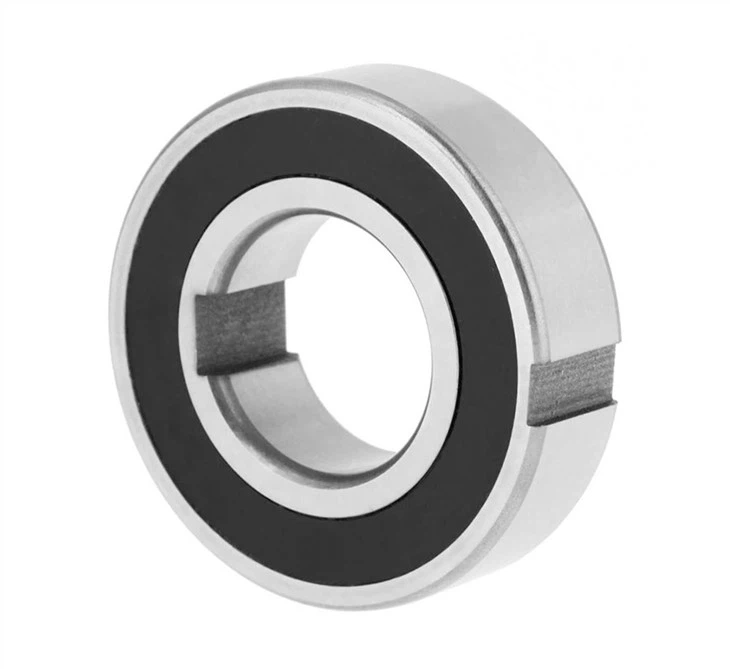
For instance, if you are installing a CSK 20 PP - One Way Clutch Bearing, the manufacturer will specify the exact torque that should be applied to the fasteners to secure the bearing properly. Following these guidelines is crucial to avoid over - tightening or under - tightening the bearing, both of which can have negative consequences.
Over - tightening the clutch bearing can lead to excessive stress on the bearing and the surrounding components. This can cause deformation of the bearing raceways, premature wear of the rolling elements, and even failure of the bearing. On the other hand, under - tightening can result in the bearing becoming loose during operation, leading to vibration, noise, and potential damage to the clutch system.
In some cases, if the manufacturer's guidelines are not available, you can use industry standards as a reference. However, it is important to note that these standards are general guidelines and may not be as accurate as the manufacturer - specific recommendations.
Tools for Torque Application
Using the right tools for torque application is essential to ensure accurate and consistent installation. A torque wrench is the most commonly used tool for this purpose. There are different types of torque wrenches, such as click - type, beam - type, and digital torque wrenches.
Click - type torque wrenches are popular because they are easy to use. They emit a clicking sound when the preset torque value is reached, indicating that the correct torque has been applied. Beam - type torque wrenches use a beam that deflects as torque is applied, and the torque value can be read from a scale. Digital torque wrenches provide a more precise and accurate reading of the applied torque and are often used in high - precision applications.
Before using a torque wrench, it is important to calibrate it regularly to ensure its accuracy. An inaccurate torque wrench can lead to improper torque application, which can compromise the performance and safety of the clutch system.
Step - by - Step Installation Process with Torque Considerations
When installing a clutch bearing, the following steps should be followed with proper attention to torque:
- Prepare the Components: Clean the mating surfaces of the clutch housing and the bearing to remove any dirt, debris, or old lubricant. Inspect the components for any signs of damage or wear.
- Position the Bearing: Carefully place the clutch bearing in the correct position in the clutch housing. Make sure it is properly aligned and seated.
- Insert the Fasteners: Insert the bolts or nuts into the appropriate holes. Do not fully tighten them at this stage.
- Apply Torque: Using a calibrated torque wrench, apply the recommended torque to each fastener in a criss - cross pattern. This helps to ensure even distribution of the load and proper seating of the bearing. For example, when installing a GMN FKN 6203 RS - Ball Bearing Freewheel Clutch Unit, follow the specific torque sequence provided by the manufacturer.
- Re - check the Torque: After all the fasteners have been tightened, re - check the torque to ensure that it is within the specified range.
Quality Control and Inspection
After the clutch bearing installation is complete, it is important to conduct a quality control inspection. Check for any signs of misalignment, excessive play, or abnormal noise. If any issues are detected, it may be necessary to re - check the torque values and make any necessary adjustments.
Regular maintenance and inspection of the clutch system can also help to identify any potential problems related to torque. Over time, the fasteners may loosen due to vibration and thermal cycling, so periodic re - tightening may be required.
Conclusion
In conclusion, torque specifications are a critical aspect of clutch bearing installation. As a clutch bearings supplier, I emphasize the importance of following the correct torque values to ensure the optimal performance and longevity of the clutch system. By understanding the factors that affect torque specifications, using the right tools, and following a proper installation process, you can ensure a successful clutch bearing installation.
If you are in the market for high - quality clutch bearings or need more information about torque specifications for your specific application, please feel free to contact us for a detailed discussion and procurement negotiation. We are committed to providing you with the best products and technical support.

References
- Bearing Installation Handbook, Various Bearing Manufacturers
- Automotive Clutch System Engineering Manuals
- Industry Standards for Fastener Torque Application


